Your team

The team behind these rosacea and flushing guides

The Plastic Surgery & Aesthetics Medical Center at Chongqing West District Hospital is led by four consultants working inside a tertiary general hospital. Yongbo Jia, MD, head of dermatology, is responsible for the medical review of this site, because the first question about a flushed face is a dermatological one. Ke He, MD, carries out the light-based treatment that persistent redness sometimes needs, and Tongchun Mao, MD, and Shaoliang Wang, MD, handle the small number of cases where the nose has thickened, where the diagnosis is unclear, or where a cream of unknown composition has already done damage.

Specialist profiles

Who reviews this content

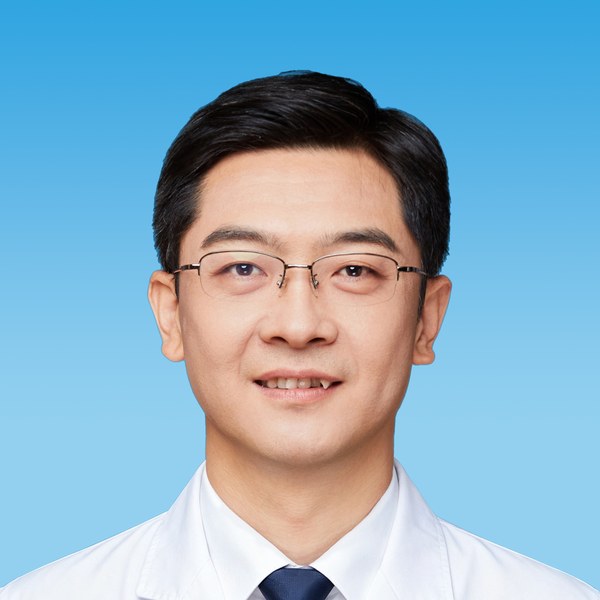
Yongbo Jia

Yongbo Jia (贾勇波)

Deputy Director & Head of Dermatology · Vice Chief Physician, Licensed Aesthetic Attending · Lead Physician of This Site

Dermatology · rosacea · flushing and facial redness

Dr. Yongbo Jia is Deputy Director of the Plastic Surgery & Aesthetics Medical Center and head of its dermatology service at Chongqing West District Hospital, and he is the physician responsible for this site. A vice chief physician and licensed aesthetic attending, he graduated from Chengdu University of Traditional Chinese Medicine and trained in dermatology at the Institute of Dermatology, Chinese Academy of Medical Sciences, and at Chongqing Hospital of Traditional Chinese Medicine.

His first question about a flushed face is not which cream to prescribe but which pattern is in front of him, and what the person has already been putting on their skin. Rosacea is recognised from the history and the distribution rather than from a single test, and a face that has been treated as acne for a year looks different from one that has never been treated at all. He treats rosacea as a long-term condition to be controlled in steps, not as an eruption to be cleared.

Clinical focus

  • Diagnosis of rosacea and of the conditions it is most often mistaken for
  • The four patterns of rosacea, and how the pattern decides the treatment order
  • Flushing and trigger assessment: working out which triggers are actually yours
  • Separating rosacea from acne, from barrier damage and from steroid-induced redness
  • Long-term control: what maintenance looks like once the skin has settled

Academic roles & achievements

  • Member, Jiusan Society
  • Member, Chongqing Integrative Medicine Skin & Beauty Committee
  • Advanced training at the Institute of Dermatology (Chinese Academy of Medical Sciences) and Chongqing Hospital of Traditional Chinese Medicine

Controlled, not cured

Rosacea does not go away for good, and it does not need to be cured to stop dominating your day. The realistic aim is fewer flares, milder flares and longer gaps between them — and that is achieved with maintenance, which is why stopping treatment when the skin looks calm is the most common way people lose the ground they gained.
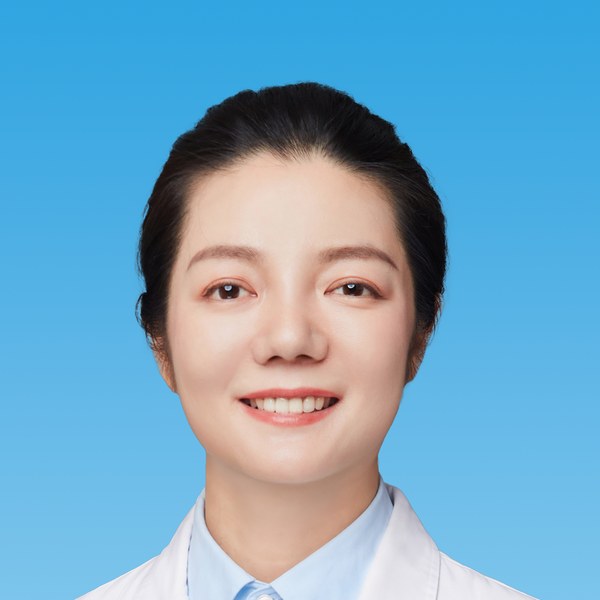
Ke He

Ke He (何锞)

Deputy Director & Head of Skin & Laser Aesthetics · Attending Physician, Licensed Aesthetic Attending

Skin & laser aesthetics · persistent redness

Dr. Ke He is Deputy Director of the Plastic Surgery & Aesthetics Medical Center and head of its skin and laser aesthetic service at Chongqing West District Hospital. A core specialist formerly at the Plastic and Aesthetic Surgery Department of Xinqiao Hospital, affiliated with Army Medical University, she has worked on the clinical front line in skin laser and injectable aesthetics for more than 20 years.

Her part of this site is the redness that stays after the triggers have been handled and the topicals have done what they can. She assesses how much of what a patient sees is fixed redness, how much is active flushing, and whether light-based treatment is worth the sessions and the pigment risk for that particular skin tone. She is also the person who says when the answer is no.

Clinical focus

  • Intense pulsed light and vascular laser for persistent redness and visible vessels
  • Treatment planning around skin tone, pigment risk and healing response
  • Combining light-based treatment with topical and oral control rather than replacing it
  • Barrier repair and gentle skincare as preparation before any procedure
  • Recognising when redness is not rosacea and should not be lasered at all

Academic roles & achievements

  • Member, Laser Medicine Group, Chinese Medical Association Plastic Surgery Branch
  • Member, Facial Rejuvenation Group, Chinese Medical Association Plastic Surgery Branch
  • Member, Chongqing Plastic Surgery Quality Control Center
  • Published 5 papers, holds 5 national patents, and introduced 2 new clinical techniques
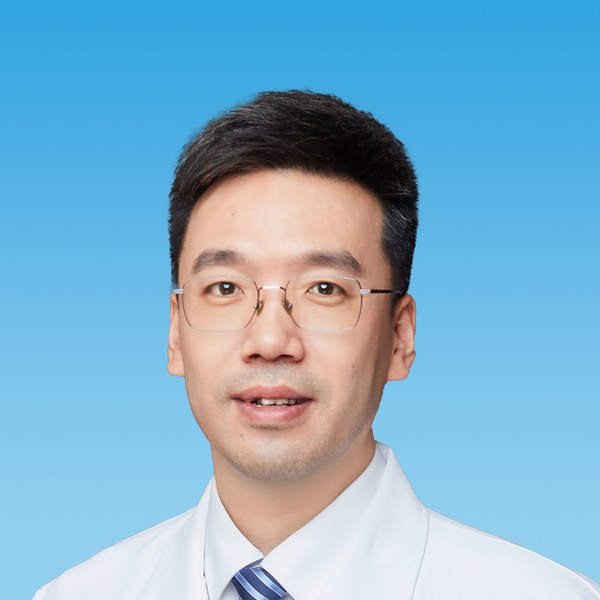
Tongchun Mao

Tongchun Mao (毛彤春)

Deputy Director & Head of Aesthetic Surgery · Vice Chief Physician, Licensed Aesthetic Attending

Aesthetic surgery · the nose in rosacea

Dr. Tongchun Mao is Deputy Director of the Plastic Surgery & Aesthetics Medical Center and head of its aesthetic surgery service at Chongqing West District Hospital. A core specialist formerly at the Plastic and Aesthetic Surgery Department of Xinqiao Hospital, affiliated with Army Medical University, he has rooted his clinical practice for more than 20 years and personally performs over 700 operations a year.

Most people with rosacea never need an operation, and he is not part of the usual plan. His part is the small number whose nose has thickened and stayed thickened, where the skin has become firm and the contour has changed, and where medical treatment alone will not bring it back. Those cases need an assessment before any decision, because a firm swelling on the nose is not always rosacea at all.

Clinical focus

  • Surgical reduction and recontouring of the thickened nose in long-standing rosacea
  • Assessment of a firm or enlarging nasal swelling before any cosmetic plan
  • Reconstruction after removal of nasal skin lesions
  • Correction of contour problems that topical treatment cannot reach
  • Aesthetic closure principles applied to the central face

Academic roles & achievements

  • Member, Rhinoplasty and Trunk Tumor Groups, Chinese Medical Association Plastic Surgery Branch
  • Member, Chongqing Medical Aesthetics Quality Control Center; Member, Chongqing Medical Accident / Disability Assessment Expert Pools
  • Deputy Chair, Chongqing Shapingba District Medical Aesthetics Committee
  • Published 5 SCI papers, holds 7 national patents, and has participated in 4 research projects
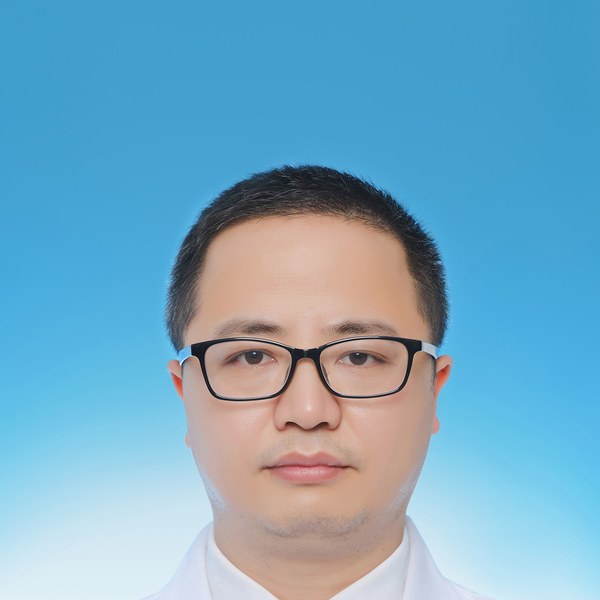
Shaoliang Wang

Shaoliang Wang (王韶亮)

Director, Plastic Surgery & Aesthetics Medical Center · Vice Chief Physician, Associate Professor, Doctor of Medicine

Plastic surgery · complex and mistaken redness

Dr. Shaoliang Wang is Director of the Plastic Surgery & Aesthetics Medical Center at Chongqing West District Hospital, and previously served as Deputy Chief of Plastic and Aesthetic Surgery at Xinqiao Hospital, affiliated with Army Medical University.

His part of this site is the faces that have already been through several rounds of treatment without a clear diagnosis: redness that has been lasered repeatedly, skin that has thinned after a cream of unknown composition, and conditions that look like rosacea but are something else. Those cases need a diagnosis and a plan before another device is booked.

Clinical focus

  • Second opinions where the diagnosis of a red face is genuinely unclear
  • Redness and skin thinning following creams bought without an ingredient list
  • Complex and previously treated cases needing a diagnosis before further treatment

Flushing and redness that never quite settles?

Rosacea is recognised from the pattern rather than from a single test, and the plan is built around your type and your triggers. We will say plainly that it is controlled rather than cured, and what that means day to day.

Contact the Team